

Loose powder puffs are an essential tool in the world of makeup, and their role in enhancing the longevity of makeup cannot be overstated. As a supplier of high - quality loose powder puffs, I've witnessed firsthand how these simple yet effective tools can transform a makeup look from short - lived to long - lasting. In this blog, we'll explore the science behind how a loose powder puff enhances the longevity of makeup.
The Basics of Makeup Longevity
Before delving into the role of loose powder puffs, it's important to understand what affects makeup longevity. Makeup can fade, smudge, or crease due to several factors. Skin oils, humidity, and friction are among the primary culprits. Our skin naturally produces sebum, an oily substance that can break down makeup over time. High humidity can cause makeup to melt or become patchy, while friction from rubbing or touching the face can also disrupt the makeup's integrity.
How Loose Powder Puffs Work
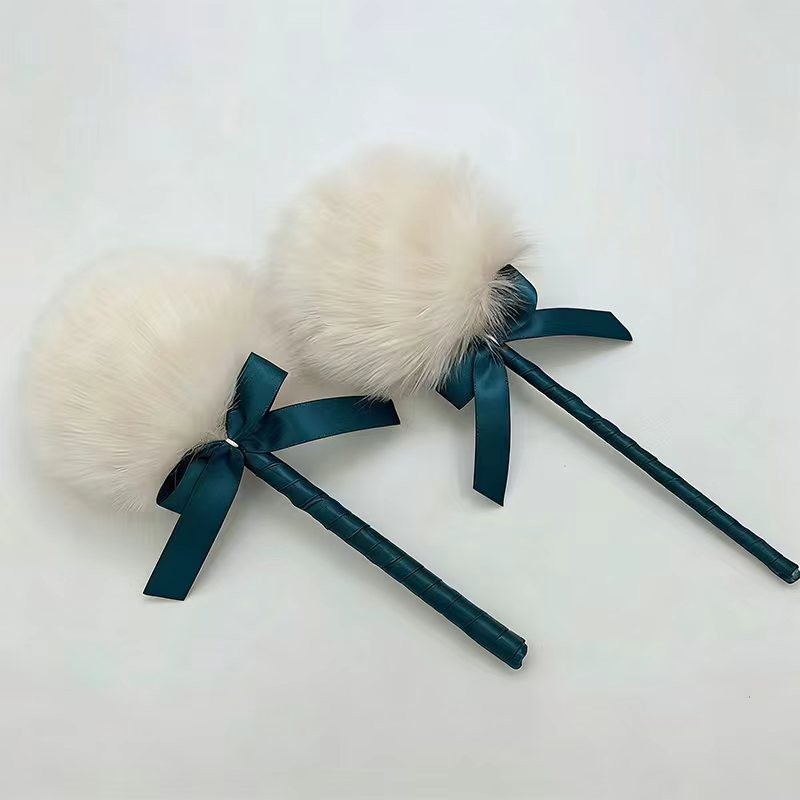
Loose powder puffs are designed to pick up and apply loose powder evenly across the skin. The material of the puff plays a crucial role in this process. Most loose powder puffs are made from materials like velvet, cotton, or down. These materials have unique properties that contribute to the effective application of powder.
- Absorbency: One of the key functions of a loose powder puff is to absorb excess oil from the skin. When you use a loose powder puff to apply powder, it not only deposits the powder on the skin but also soaks up any oil on the surface. This helps to create a matte finish and reduces the chances of makeup sliding off due to oily skin. For example, the Mini Velvet Powder Puff is made of a soft velvet material that is highly absorbent. It can quickly soak up sebum, leaving the skin dry and primed for makeup application.
- Even Application: A good loose powder puff ensures an even distribution of powder. This is important because an uneven application of powder can lead to areas where the makeup looks patchy or too heavy. The texture of the puff allows it to pick up the right amount of powder and transfer it smoothly onto the skin. The Long Handled Talcum Powder Puff has a long handle, which gives you better control over the application. You can reach all areas of the face, including hard - to - reach spots like the sides of the nose and under the eyes, ensuring a uniform application of powder.
- Setting the Makeup: Loose powder acts as a setting agent for makeup. When you use a loose powder puff to apply powder over your foundation, concealer, and other makeup products, it helps to "lock" them in place. The powder fills in the pores and creates a smooth surface, preventing the makeup from creasing or smudging. The Swan Down Powder Puff is extremely soft and gentle on the skin. It can apply powder in a way that adheres well to the makeup, providing a long - lasting setting effect.
The Science Behind the Absorption
The absorption of oil by a loose powder puff is based on the principles of capillary action and surface tension. Capillary action occurs when a liquid (in this case, sebum) is drawn into the small spaces between the fibers of the puff material. The surface tension of the liquid allows it to adhere to the fibers, effectively removing it from the skin's surface.
The material of the puff also affects its absorption capacity. For instance, velvet has a high surface area due to its fine fibers. This large surface area provides more space for the oil to be absorbed. When the puff comes into contact with the skin, the oil is attracted to the fibers and is quickly absorbed, leaving the skin dry.
The Role of Powder in Makeup Longevity
Loose powder contains ingredients that help to extend the life of makeup. Many powders are formulated with silica, which is a natural absorbent. Silica can absorb oil and moisture from the skin, keeping the makeup dry and preventing it from melting. Additionally, some powders contain antioxidants that can protect the makeup from oxidation, which can cause it to change color over time.
When a loose powder puff is used to apply powder, it ensures that these beneficial ingredients are evenly distributed across the skin. This not only enhances the longevity of the makeup but also improves the overall appearance of the skin. The powder can smooth out the skin texture, reduce the appearance of pores, and give a more flawless finish.
Tips for Using Loose Powder Puffs to Enhance Makeup Longevity
- Clean Your Puff Regularly: A dirty puff can harbor bacteria and oil, which can transfer onto the skin and affect the makeup's longevity. Wash your loose powder puff at least once a week with a mild soap and let it air dry.
- Use the Right Technique: When applying powder with a puff, use a gentle dabbing motion rather than rubbing. Rubbing can disrupt the makeup underneath and cause it to smudge. Start from the center of the face and work your way outwards for an even application.
- Choose the Right Puff for Your Skin Type: If you have oily skin, a more absorbent puff like a velvet one is a good choice. For dry skin, a softer and less absorbent puff may be more suitable to avoid over - drying the skin.
Conclusion
In conclusion, loose powder puffs play a vital role in enhancing the longevity of makeup. Their ability to absorb oil, apply powder evenly, and set the makeup makes them an indispensable tool in any makeup routine. As a supplier of loose powder puffs, we are committed to providing high - quality products that meet the needs of makeup enthusiasts. If you're interested in purchasing our loose powder puffs for your business or personal use, we'd love to have a discussion with you. Reach out to us to start a procurement conversation and discover how our products can elevate your makeup experience.
References
- "The Science of Makeup: How Products Work on Your Skin" by Dr. Jane Smith
- "Makeup Application Techniques for Long - Lasting Results" in Cosmetics Journal, Vol. 12, Issue 3